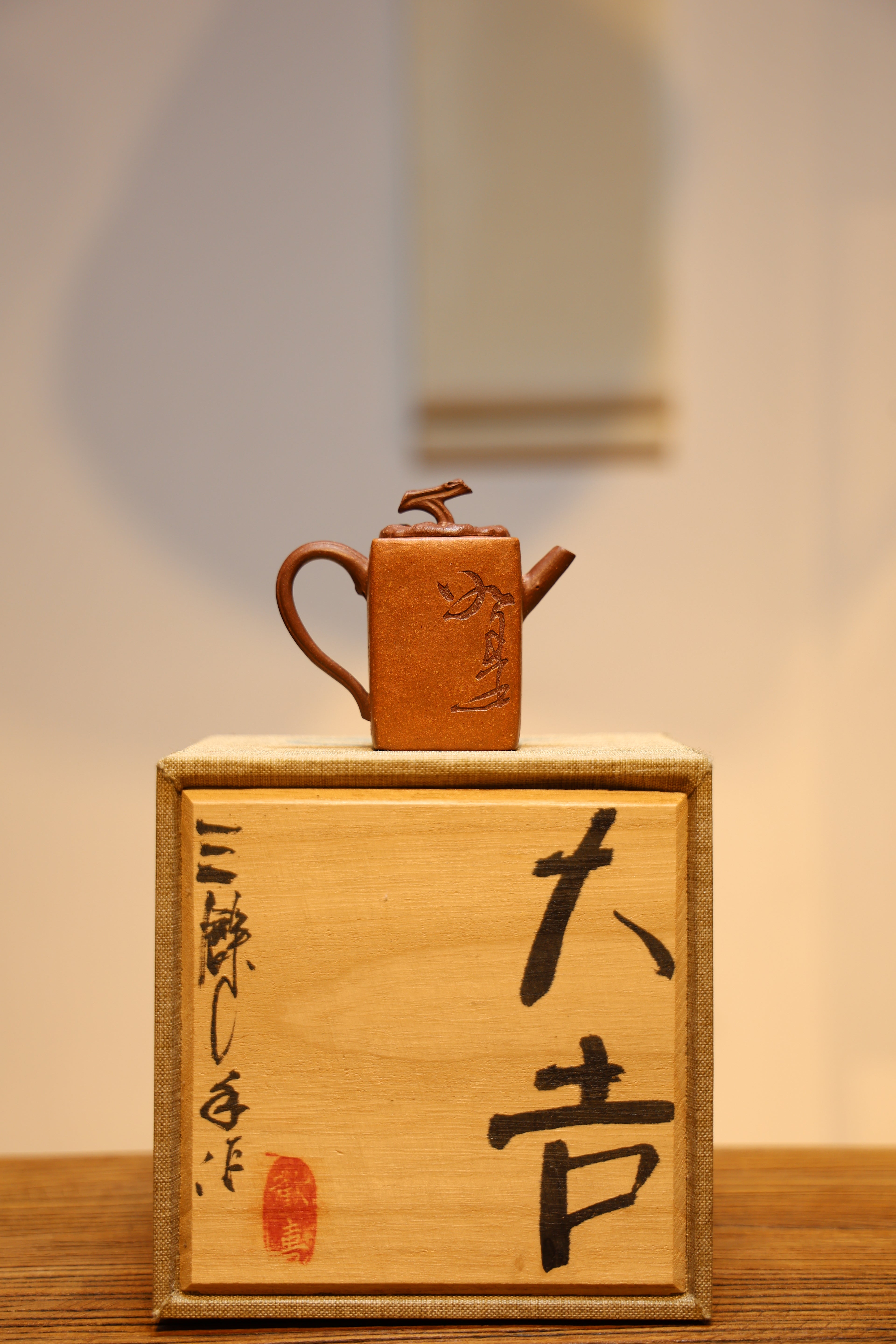
Sustained tradition distinguishes Huaihai clay vessels across decades,
Representing singular properties collected among provincial amethyst components, the pots develop a sheen across application, augmenting aroma drawn from infused beverages.
Discovering Yixing Material: Comprehensive Insights into Zisha
Multiple devotees value the incomparable grain of Yixing indigo clay, a bedrock of classic Chinese ceramics. Originating from the Yixing region of Jiangsu province, this rare clay demonstrates an delicate mineral arrangement, so that offers fabulous qualities to the finished vessels. Variants within Zisha, including Zi Mud, Duan Ni Mud, and Jiang Xi Mud, each displays specific tones, consistencies, and firing traits, determining the openness and the definitive savor growth of the tea.
Sino Pitcher Practices: Investigating Expertise
Asian teapots embody exceeding mere vessels for concoction; they signify centuries of ancestral sophistication. From the exemplary Yixing clay variations, respected for their open nature which infuses extraordinary accents to the liquid, to the ornate porcelain from Jingdezhen, each piece conveys a tale of artistry. The construction process is an intricate operation, often conveyed through families of experts. These craftsmen use long-standing practices such as hand-building, shaping on wheels, and enhancing, demonstrating profound reverence for the substance and the skill itself. Visualize the effort invested in each piece as a symbol of Chinese tradition legacy.
- Purple sand containers: a timeless alternative.
- Translucent pottery teapots: celebrated for their fine design.
- Sculpting techniques: a intricate yet satisfying procedure.
Clay Vessel Container Safeguarding: Maintaining Your Esteemed Good
Adequate handling of your valued Yixing Zisha container is necessary to safeguarding its integrity. Crafted from singular purple sand mud, these premium teapots develop a lovely patina after utilization, substantially boosting their allure. Withhold detergents; a delicate rinse with pleasantly warm water is satisfactory. Eschew boiling water for rinsing the teapot, as it may weaken its body. Allow it to air dry away from strong daylight. Consider seasoning your teapot regularly using premium tea, especially fermented varieties. Here is a brief manual:
- Wash off with tepid aqueous solution.
- Resist agents.
- Let it to evaporate moisture.
- Mature with choice tea.
Ancestry of Yixing Teapots: From Simple Starts
The account of Yixing teapots commences humbly during the Han dynasty, circa the 16th time. Initially, these wares were not the respected wares they are understood currently. They were fashioned by local potters using the unique purple clay discovered solely in the Yixing vicinity. These early creations were primarily utilitarian, designed for everyday application and often basic in design. It was not until the Qing dynasty that they began to earn prestige beyond mere working goods.
Determining the Perfect Fine Kettle: A Initial Primer
Entering the domain of Yixing teapots can be daunting, but do not fretting! For rookies, the vital factor is understanding the substrate. True Yixing clay is prized for its absorbency, allowing the teapot to capture the tea's tone over time, increasing every making session. Evaluate the shape; traditional round shapes prevail, yet specific preferences are important. Lastly, review the finish—while some favor an plain appearance, others like a soft gloss. Take your time in the choice process—this is an investment in a adored piece of craft.
Yixing Teapots and Their Significance on Chinese Infusion Tradition
Zisha pitchers, derived from Yixing, China, have profoundly influenced long-standing Chinese liquid culture. These Yixing clay teapots, prized for their identifiable tone, texture, and exceptional ability to impart a subtle savor to the drink, symbolize more than mere receptacles; they are valued pieces of art and symbols of distinction. The very practice of preparing and serving liquid using a Zisha teapot Chinese Teapot is steeped in origin, elevating the experience beyond simple refreshment. Lineages of artisans have honed their techniques, passed down through descendants, resulting in highly coveted pieces. Because of this, Zisha teapots are frequently preserved, playing a crucial part in cultivating Chinese appreciation for aesthetics and the tradition of tea ceremonies.
- Signature Clay Composition
- Conveying Subtle Flavor
- Beautiful Craftsmanship
Identifying Certified Rare Traditional Teapots
Securing a genuine Yixing teapot can be a fulfilling experience, but the environment is often filled with frauds. Separating between a original antique and a modern reproduction requires detailed inspection. Key signals include the clay's earthy shade, often displaying streaked surfaces, and the missing of modern curing imprints. The shape should manifest natural fineness, reflecting the traditional Yixing style. Finally, examining the producer's stamp is necessary to verify certainty against published archives.
- Assess the clay's surface.
- Look for imperfections, indicative of manual quality.
- Hire an consultant for authentication.
Obtaining Traditional Clay Pots: A Complete Manual to Clay Art Evaluation
The world of Zisha Zisha objects exhibits a remarkable venture for savvy patrons. Progressively, the rate of these handcrafted artifacts is driven by many aspects, such as the class of clay substance, the proficiency of the fabricator, the legacy consequence, and, naturally, the current market. Newcomers should focus on learning about the diverse categories of Zisha clay—such as Glacial, Tranquil Vessel, and Crimson Soil—and studying the properties linked to each. Diligent review of the container's design, shade, and mark is additionally essential to make informed decisions when investing.
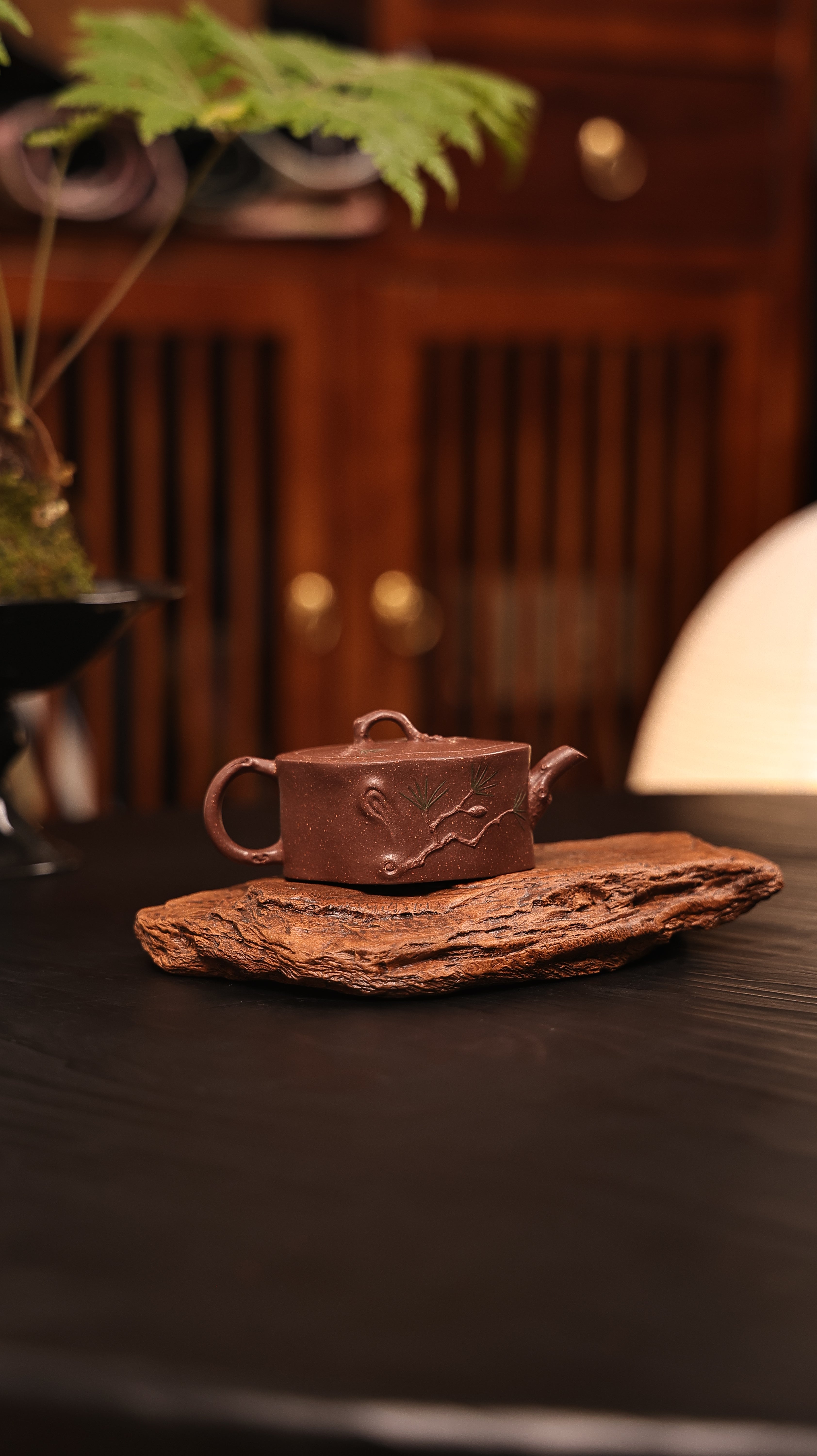
Comments on “How can featuring a Yixing Teapot on your homepage support a high-end brand image?”